Stories for the climate curious.
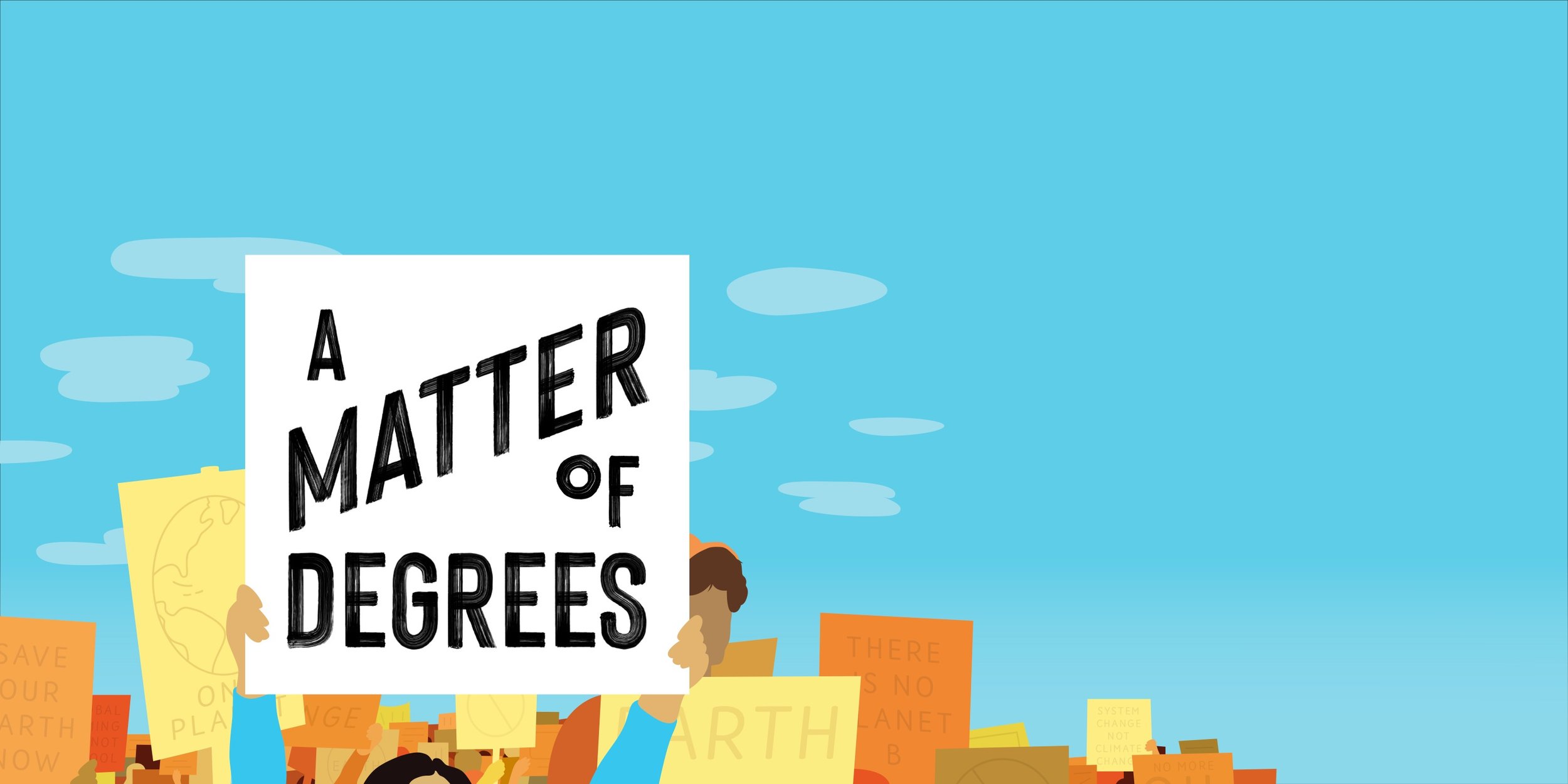
Join Dr. Leah Stokes and Dr. Katharine Wilkinson as they tell stories about the powerful forces behind climate change — and the tools we have to fix it.
This show - a joint project of the 2035 Initiative and the All We Can Save Project - is for the climate curious people who know climate change is a problem, but are trying to figure out how to tackle it. Subscribe everywhere or listen below.
Season 1, Episode 4: Trump’s Fossil Fuel Bailout
Fossil-fuel companies have used their ties to the Trump regime to push massive bailouts for dirty energy. And the pandemic was the perfect opportunity for the industry to grab more money.
In this episode, we’ll detail how these companies are raking in billions of government dollars in the wake of the $2 trillion COVID stimulus package — while millions of Americans struggle financially from the pandemic.

Season 1, Episode 3: An Electric Number: 2035
When talking about climate change, we often get deep into the weeds quickly and throw a lot of numbers around. And these numbers can feel really disconnected from our lives: Two degrees, 415 parts per million, 36 billion tons of carbon dioxide.
In this episode, we've got one number we really want to focus on: 2035. It’s a date that carries a lot of hope and opportunity. If we can make progress by 2035, then we can actually make a lot of changes to our energy system and really our entire economy.

Season 1, Episode 2: A Breakthrough Moment?
Climate change is no longer a far-off scenario. It’s happening now. It’s getting more intensive every year. And young people are seeing a scary future play out right in front of them.
In recent years, the youth climate movement has gained unprecedented strength. Borrowing from the civil rights movement and early environmental activists, young leaders are forcing politicians to grapple with climate change in new ways. Are we truly at a breakthrough moment? Or a breaking moment?

Season 1, Episode 1: Give Up Your Climate Guilt
The biggest climate stories blame “all of us,” or cast solutions as “impossible.” These narratives leave people feeling hopeless and confused about what we actually can do.
In our first episode: individual actions versus structural change. What’s the right way to think about the role they each have in addressing the climate crisis? We’ll explore the nuances.