
Near-term Strategies for Unlocking Industrial Electrification
Tuesday, December 16th
1pm - 2pm PT, 4pm - 5pm ET
Zoom Webinar
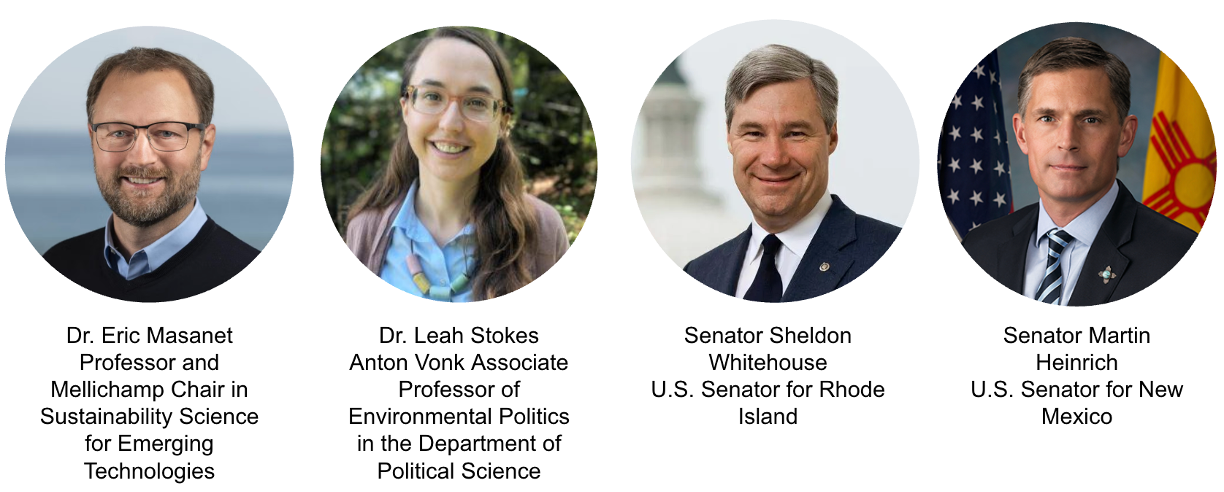
Dr. Eric Masanet and Dr. Leah Stokes will be joined by Senator Sheldon Whitehouse (RI) and Senator Martin Heinrich (NM) for a deep dive into one of the most immediate, practical opportunities to cut industrial climate pollution in the U.S. — electrifying low- and medium-temperature process heat used in manufacturing.
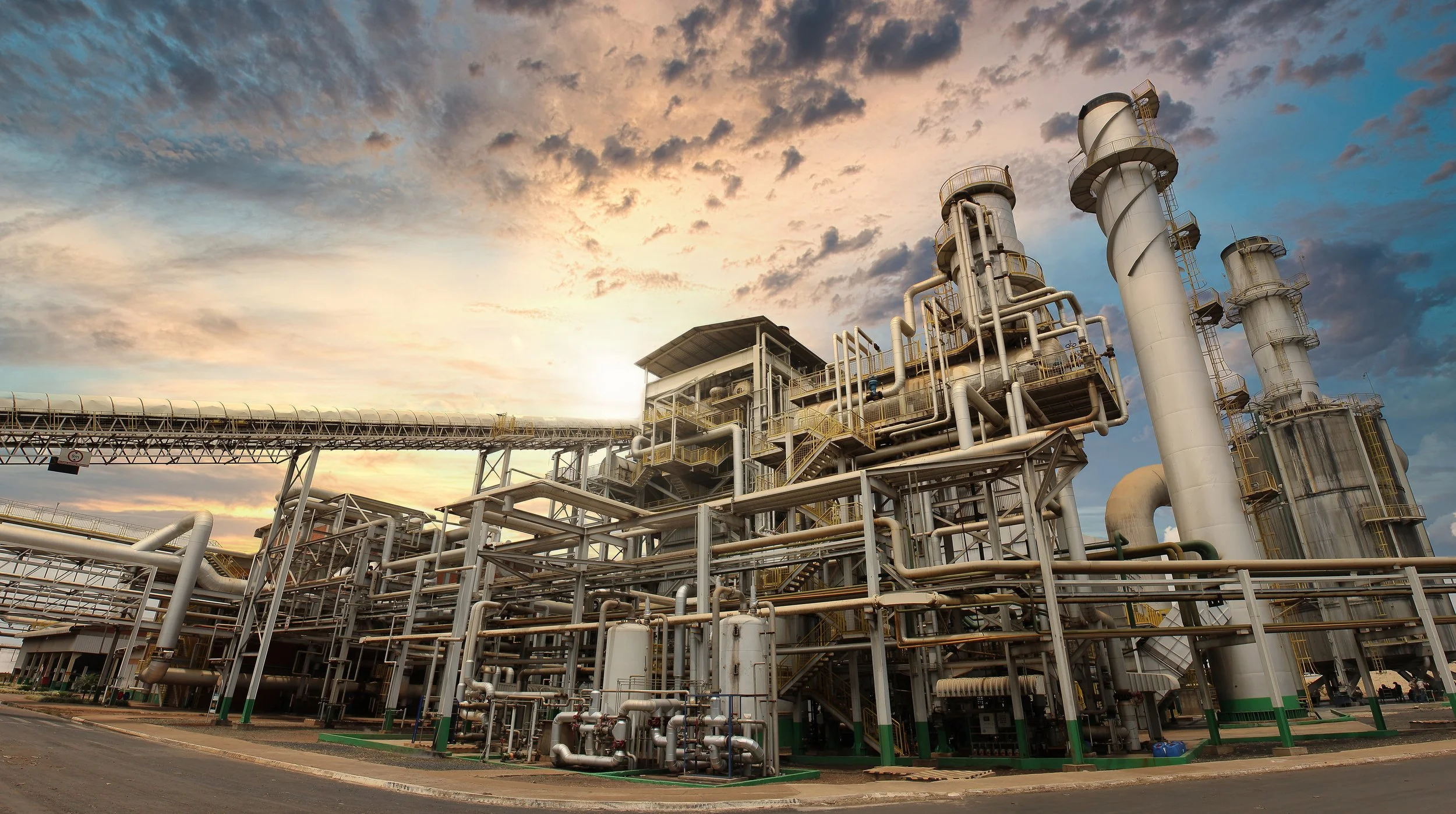
The industrial sector produces roughly a quarter of U.S. climate pollution, yet climate policy has historically focused on distant technologies or long-term strategies. Our new analysis shows that significant progress is possible right now by electrifying low- and medium-temperature process heat, a major source of industrial emissions.
In this webinar, we’ll walk through emerging findings on the technologies that are ready to deploy today, including air-source heat pumps and electrode boilers, and how they can provide clean heat across the country. These solutions could reduce climate pollution by roughly 20–30% across major facilities in three of the most energy-intensive manufacturing sectors: chemicals, pulp & paper, and food & beverage. In several states — including New York, Pennsylvania, and Washington — these options can already be cost-competitive, and sectors like ethyl alcohol and pulp & paper can have attractive payback periods.
We’ll also unpack where electrification is not yet economical and how targeted policy support can change the equation. Even moderate policy action could significantly expand cost-effective adoption.
What we’ll cover:
The scale of today’s electrification opportunities in the U.S. industry
The state-by-state and sector-level economic potential of electrification technologies
How policy can unlock broader adoption and deliver climate, health, and economic benefits
Implications for federal and state policy design