The 2035 Initiative
The decade leading up to 2035 will be an inflection point for our planet. Our collective efforts will decide whether the global economy transitions to clean energy at the pace and scale that science demands, or whether we face devastating climate chaos.
We are not without options. We now have most of the technological solutions necessary to address climate change at scale, and these options are cheaper and better than our outdated fossil-fuel-driven economy. Still, the pace of progress has not kept up with our enormous need. At the 2035 Initiative, we believe the barriers holding us back are not primarily technical or economic, but are increasingly political and social. We address these barriers head-on, bringing together technical and social science expertise to develop solutions that are both empirically sound and politically viable.
Our world-leading researchers on climate and energy policy operate at every level — local, state, national, and global — across three core goals: accelerating the clean energy transition, phasing out fossil fuels, and helping communities adapt to a changing climate. What sets us apart is how we work. Too often, the climate research most useful to policymakers arrives too late, and the research that arrives on time is too thin to act on. We built the 2035 Initiative to close that gap by combining empirical rigor with the speed and clarity that real policy decisions require.
This year's research shows what it means to produce work that moves the needle on policy. Our industrial clean heat roadmap reached federal policymakers, journalists, and industrial stakeholders within weeks of release and seeded state-level conversations that are already shaping legislative conversations. Our research on the community and labor impacts of an oil phaseout in Santa Barbara County arrived at precisely the moment the County Board of Supervisors needed it, informing a key vote in April 2026. Our work on social science metrics to track power and influence is shaping global philanthropic investments. These examples reflect a deliberate effort to identify the immediate policy questions, build the evidence base, and deliver it quickly to the people with the power to act.
None of this happens without the funders, partners, and colleagues who have invested in our team. There are nine years left in our decade-long sprint to 2035. We'll be here generating as much knowledge and action that we humanly can to bend our futures towards a world with a stable climate.
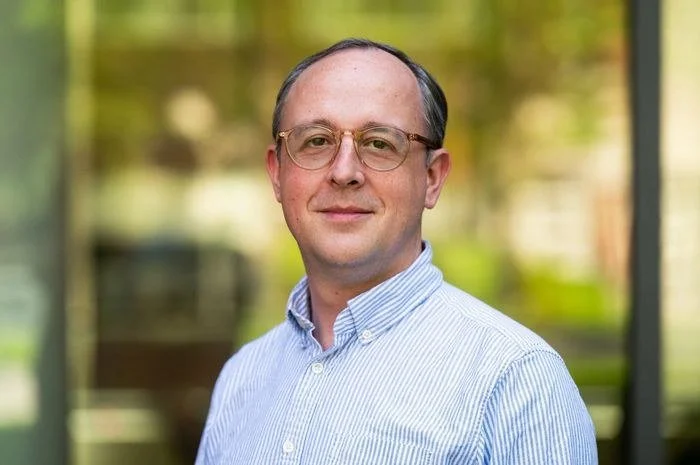
— Matto Mildenberger, Faculty Director
Develop actionable roadmaps for slashing climate pollution and ushering in a more equitable, resilient future.
The 2035 Initiative leverages the expertise of UCSB's world-leading researchers to produce empirically-grounded, practical solutions to stabilize climate change. We work in partnership with leading environmental organizations, local nonprofits, and policymakers — convening policy roundtables, sharing solutions with political leaders, and disseminating research through media channels including radio, television, and podcasts.
This mission centers on three core goals:
 Pillar image
Expanding clean energy & electrification
This year, we developed industrial electrification roadmaps to navigate the shift away from fossil-fuel-dependent economies, modeled pathways for equitable technology adoption, and built roadmaps to make energy cleaner and more affordable for everyone.
 Pillar image
Phasing out fossil fuels
To meet climate goals, we need innovative research and bold policy to phase out fossil fuels and transition to a carbon-free electricity system by 2035. Drawing on our unique blend of technical and social science expertise, we develop solutions that are equitable, technically feasible, and politically viable.
 Pillar image
Protecting people from climate impacts
Communities are already living with the consequences of a warming climate, and we research how to help them adapt. This year we ran climate adaptation and resilience survey panels, evaluated community wildfire-preparedness programs, and fielded first-of-its-kind opinion research across 55 small-island states on the front lines of the crisis.
Understanding the Impacts of Local Oil Phaseout
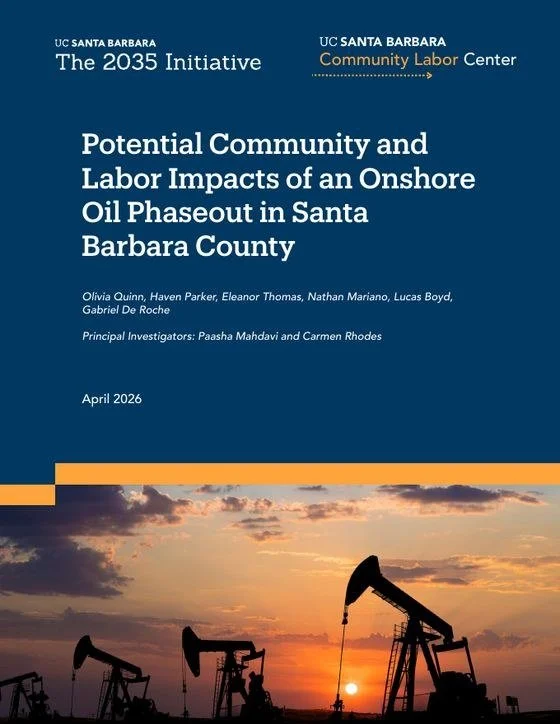
Santa Barbara County Supervisors are considering an ordinance that would phase out onshore oil and gas operations. These policymakers require data to understand what a phaseout actually means for the people who live and work here: the job impacts, the new opportunities in decommissioning and clean energy, and importantly, what county residents themselves want to see happen.
We conducted a county-wide public opinion survey, demographic analysis of the oil and gas workforce, and in-depth worker interviews, and modeled both job losses and potential clean-economy job gains. Working closely with labor groups, environmental justice organizations, and local environmental nonprofits, we translated these findings into concrete policy recommendations.
What we found
Phasing out oil and gas operations could prevent an estimated $54 to $81 million in mortality-related costs and avoid $21.8 million in climate damages by 2045, with limited economic impact. There is strong county support for both prohibiting new oil and gas operations (64.9%) and phasing out existing operations (59.5%). Residents prefer a policy that supports affected workers — up to ~15 percentage points more likely to support a policy that contains a job program for workers.

Putting Santa Barbara County on a path to phase out onshore oil
Our research has shaped the policy debate at every stage since 2025. Alongside our first report, we published an op-ed in the Santa Barbara Independent ahead of the Board's May 2025 vote. Our research informed successive votes, including the October 2025 vote to ban new well permits and the April 2026 vote to commission an amortization study — putting Santa Barbara County on a formal path to becoming one of the first counties in the U.S. to phase out onshore oil and gas.
The Clean Heat Climate Opportunity
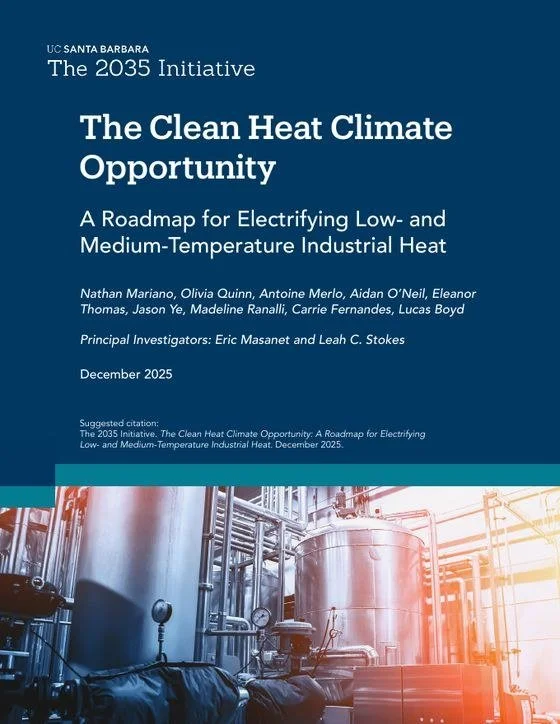
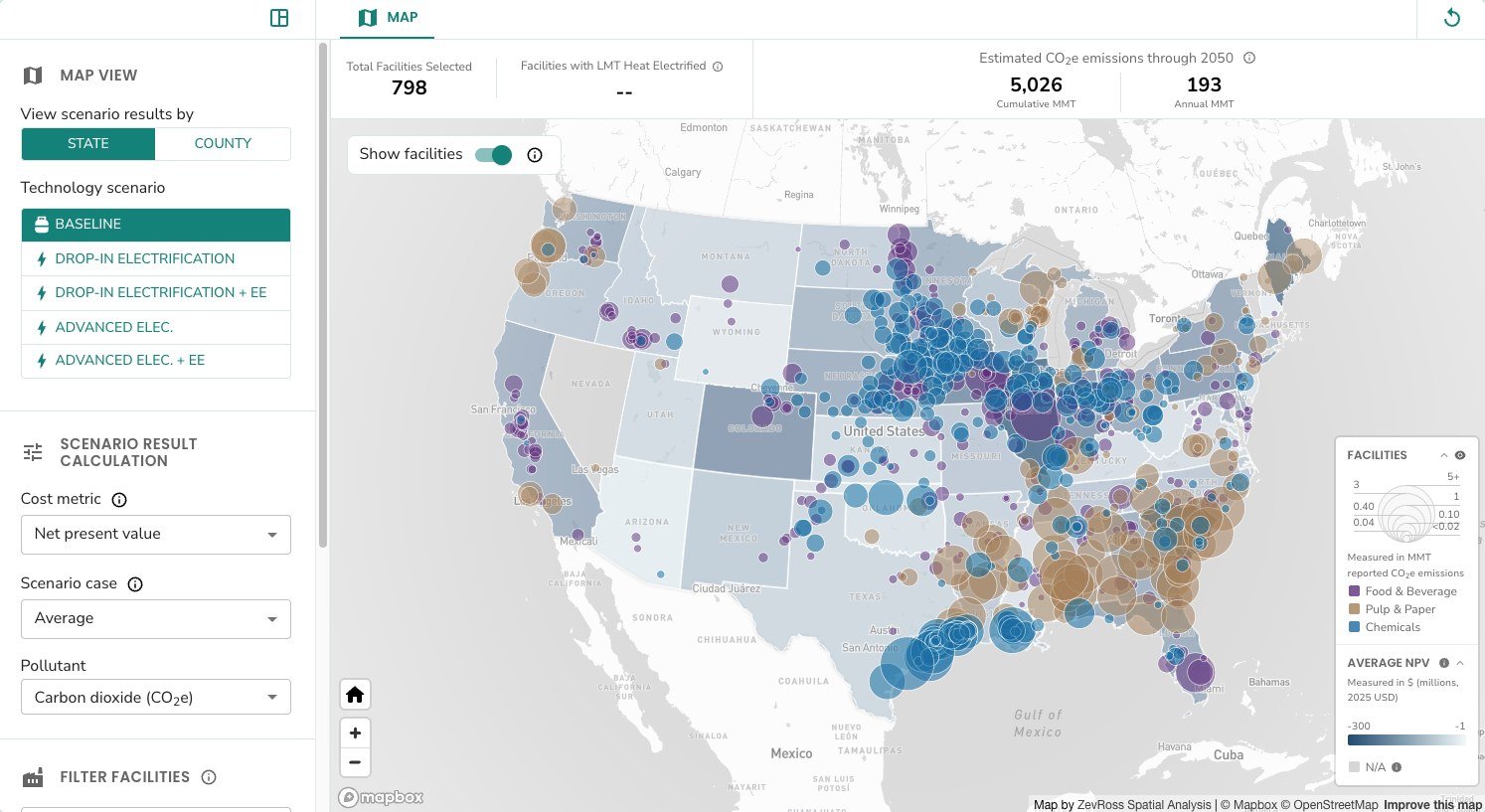
The U.S. industrial sector accounts for nearly a quarter of the nation's climate pollution but has largely been left out of federal climate investment. Most of that pollution comes from making heat for manufacturing. Electrifying that heat with commercially available technologies is one of the largest near-term, lowest-risk opportunities to cut pollution.
We developed engineering models to simulate electrification pathways across nearly 800 of the largest U.S. manufacturing plants, paired with an interactive web tool for policymakers and facility managers. We then took the framework to the state level — presenting to policymakers and stakeholders in a dozen states and contributing analysis to rulemaking at the South Coast Air Quality Management District and the California Air Resources Board. In Minnesota, we worked with Fresh Energy on a state-specific roadmap for the legislature and Public Utilities Commission; in Pennsylvania, we partnered with the governor's office to convene industrial facilities, clean-heat manufacturers, and data centers around electrification and waste-heat re-use.
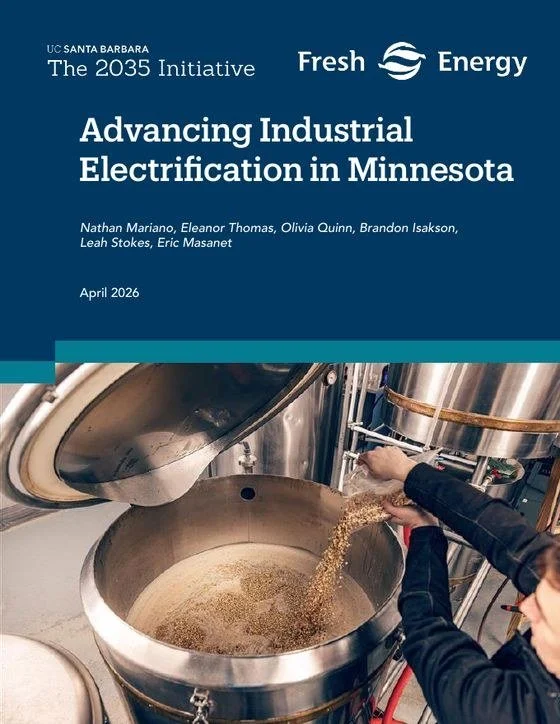
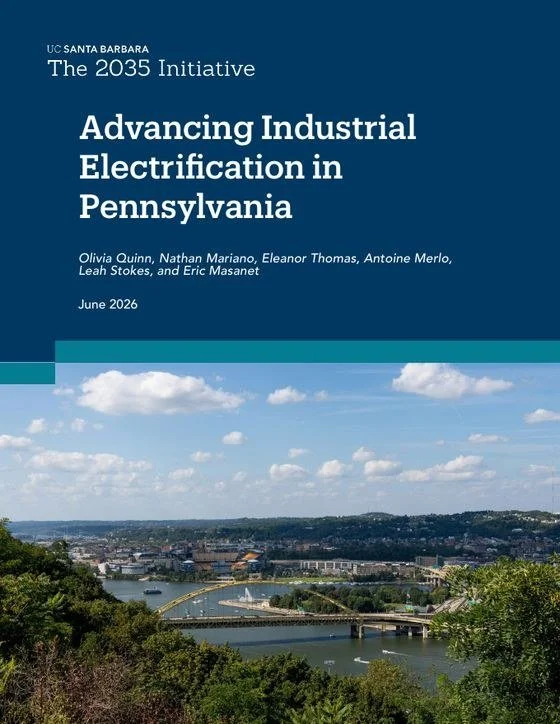
A replicable model informing industrial policy nationwide
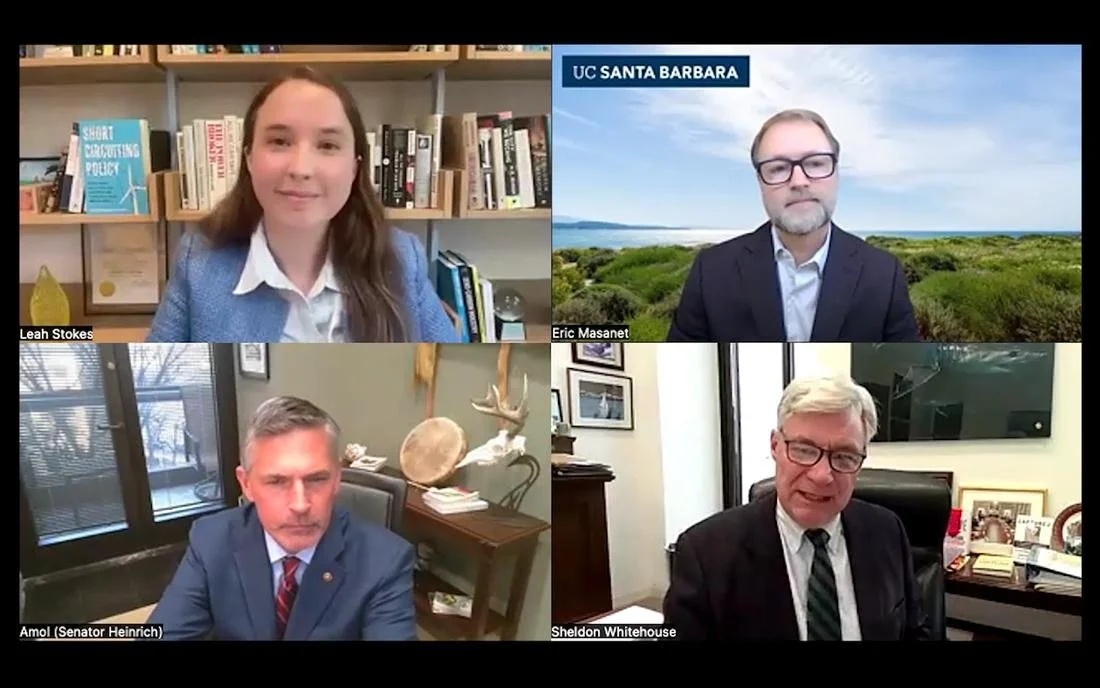
Our clean heat work has been read and cited by policymakers across the country — including in Colorado, where it will inform the state’s industrial decarbonization roadmap. Our U.S. analysis was covered by national media. Senators Martin Heinrich and Sheldon Whitehouse helped us launch the roadmap on a public webinar. The Minnesota report, co-authored with Fresh Energy, directly informed senior officials from the Minnesota Department of Commerce and the Minnesota Pollution Control Agency.
An Equitable, Climate-Friendly Grid for California’s Communities
Low-income and disadvantaged communities face systemic barriers to electrification that slow the clean energy transition and deepen existing inequities — leaving those most vulnerable to climate-fueled disasters the least prepared to weather them.
With UC San Diego, UC Berkeley, and an advisory board of community-based nonprofits, we surveyed California households to understand barriers to electrification and clean-technology adoption, with a focus on disadvantaged communities. We used that data to model future adoption scenarios, design community microgrid configurations, and analyze how grids can remain resilient under extreme weather — and examined how distributed energy could generate revenue for disadvantaged communities.
What we found
Current adoption of clean technologies like EVs, heat pumps, solar-plus-storage, and induction stoves is low (5–10%), but interest is high. Subsidies can unlock significant demand, though information gaps and lack of familiarity remain real barriers. The adoption gap is especially pronounced for EVs, and meeting California's targets will require proactive infrastructure investment in disadvantaged communities, not just incentives.
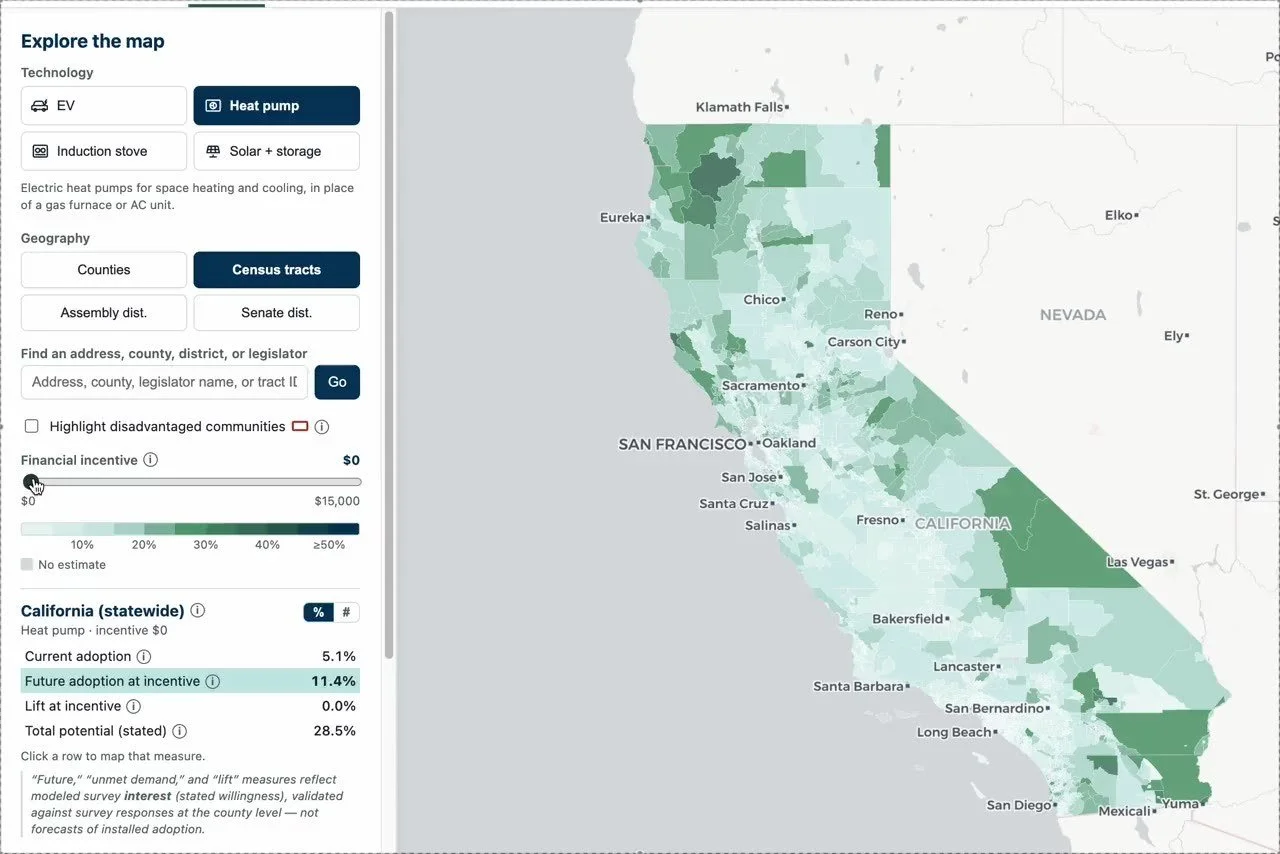
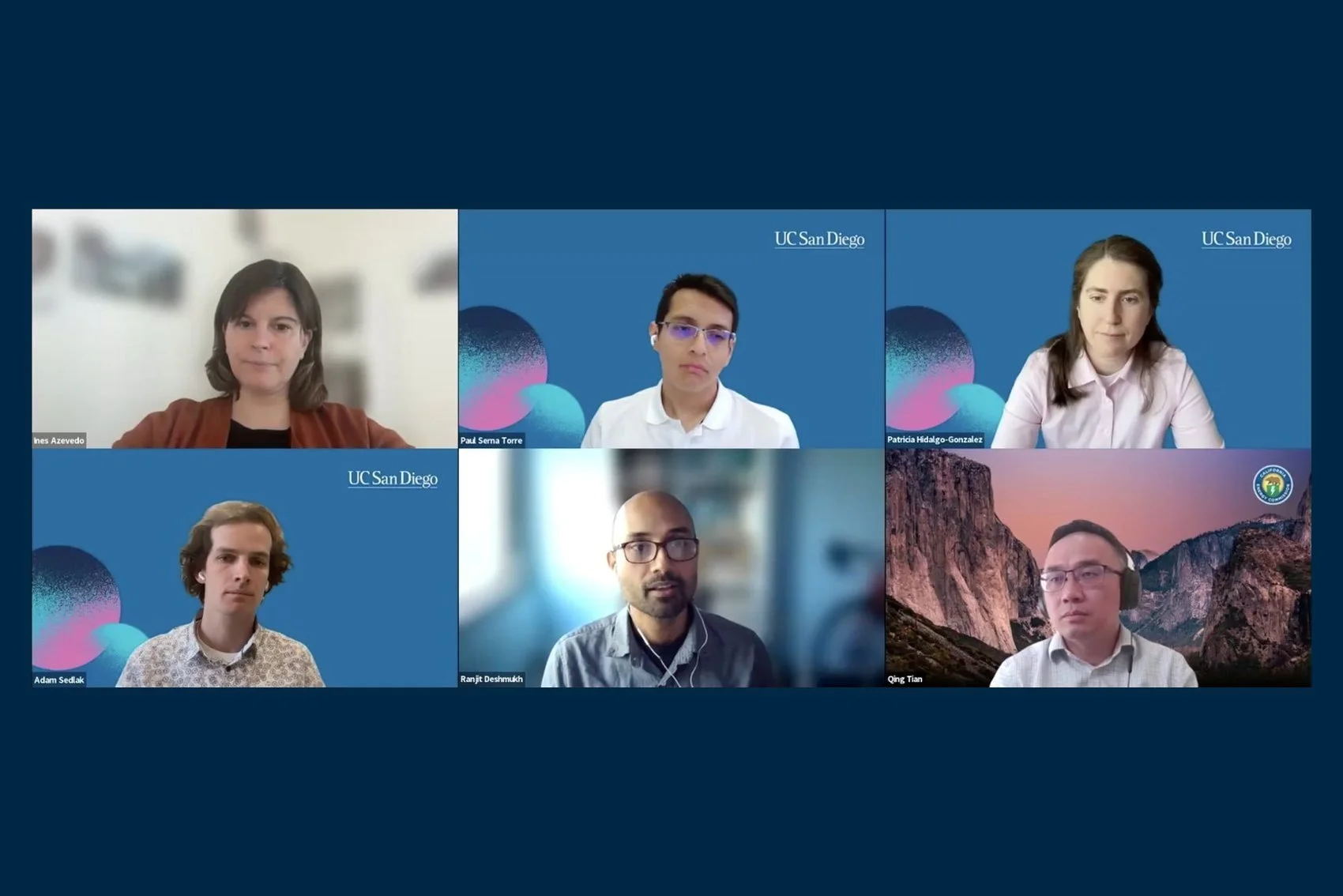
Turning findings into tools and action for energy justice
A two-day Energy Justice Workshop brought together over 100 researchers, policymakers, utilities, and advocates to translate findings into action, with recordings and resources made publicly available. We are building a public dashboard and webtool to visualize results across census tracts, and coordinating with nonprofit partners to equip communities with the tools to adopt clean technologies.
California Policy Development
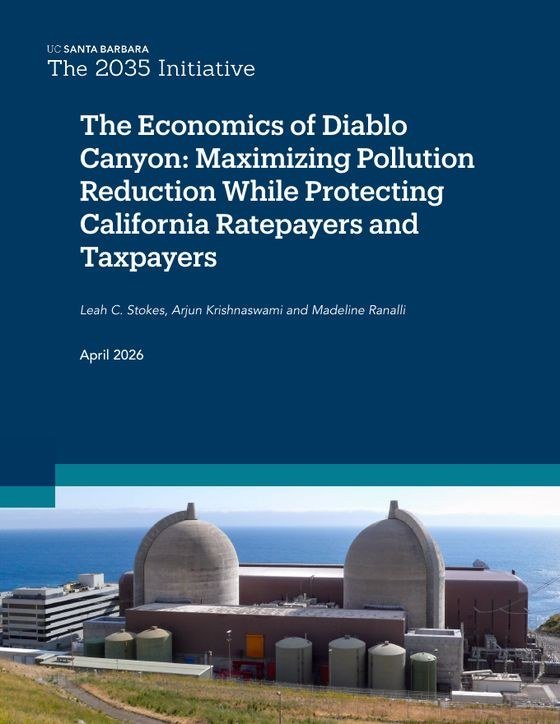
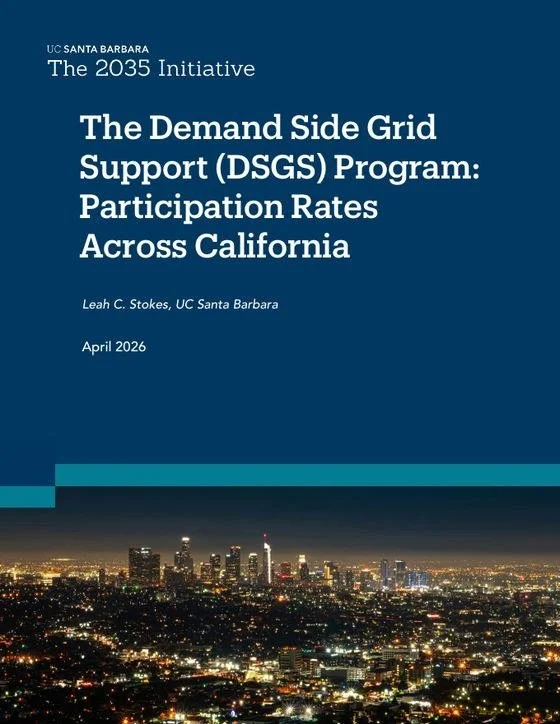
This year, the 2035 Initiative brought independent research to some of the most consequential clean-energy decisions facing the state. On electricity, we investigated whether California ratepayers may be significantly overpaying for Diablo Canyon's extended operations, documented the geographic reach and scale of California's Demand Side Grid Support (DSGS) program, and delivered survey data and grid modeling directly to the state agencies responsible for integrated resource planning.
On fossil fuels, we pushed back against efforts to expand oil and gas production in California. Our analysis showed that restarting offshore platforms would not reduce foreign imports, would not meaningfully affect consumer prices, and would increase greenhouse gas emissions. We engaged the Division of Petroleum Market Oversight, supported Congressional efforts to block federal offshore drilling, testified in Sacramento, and partnered with the Environmental Defense Center, the Center for Biological Diversity, Oceana, and the Stop Sable Coalition to arm advocates and policymakers with credible, independent analysis.
A Matter of Degrees: An award-winning climate podcast
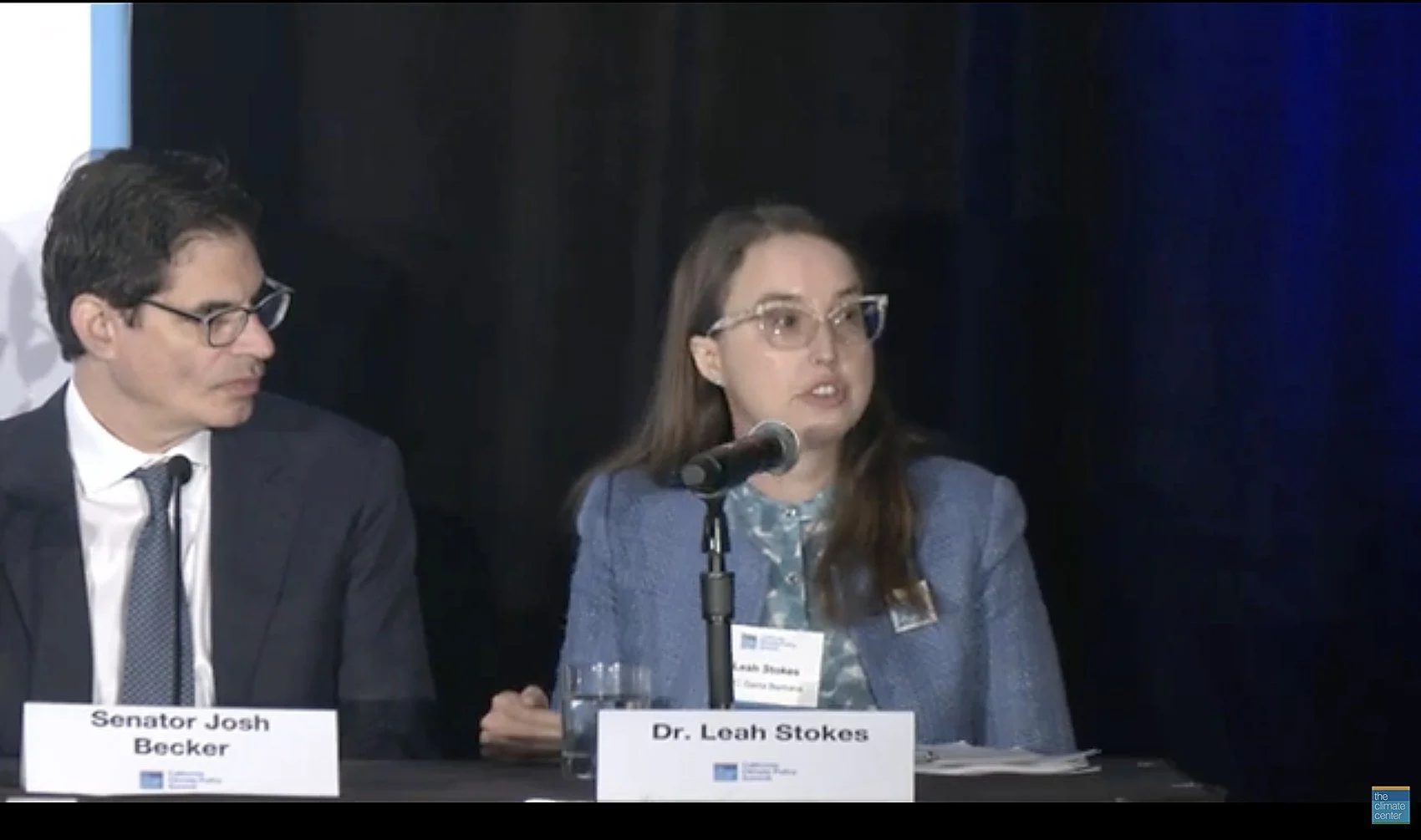
A Matter of Degrees is co-hosted by Leah Stokes and Katharine Wilkinson, produced in partnership with The 2035 Initiative and The All We Can Save Project. It explores the forces driving the climate crisis — and the solutions, campaigns, and people working to solve it. The New Yorker recognized its hosts as "two of the most important and reliable voices in the climate debate."
- Melting ICE: The Climate Movement Defends DemocracyFeaturing Aru Shiney-Ajay (Sunrise Movement), Ben Passer (McKnight Foundation), and Emily Atkin (HEATED)
- The Long Arc of Climate Action with Gina McCarthyFeaturing Gina McCarthy (former EPA Administrator and first White House National Climate Advisor)
- Climate WayfindingFeaturing co-host Katharine Wilkinson on her new book, Climate Wayfinding: Healing Ourselves and the Planet We Call Home
- The Only Good PlanetFeaturing climate scientist Kate Marvel
- The Sun Is Having Its DayFeaturing legendary activist and author Bill McKibben
- Cash In On Clean Tech Incentives (Before It's Too Late)Featuring Ingrid Malmgren (Plug In America), Sarah Gracia (Solar United Neighbors), and clean-energy entrepreneur Saul Griffith

Explore our interactive tools
Everything we do is publicly available. We pair our analysis with accessible, interactive web tools so policymakers, journalists, researchers, advocates, businesses, and everyday people can explore the data directly.
 Screenshot to be added
Industrial Clean Heat Roadmap
An interactive tool simulating electrification pathways across nearly 800 of the largest U.S. manufacturing plants.
Open the tool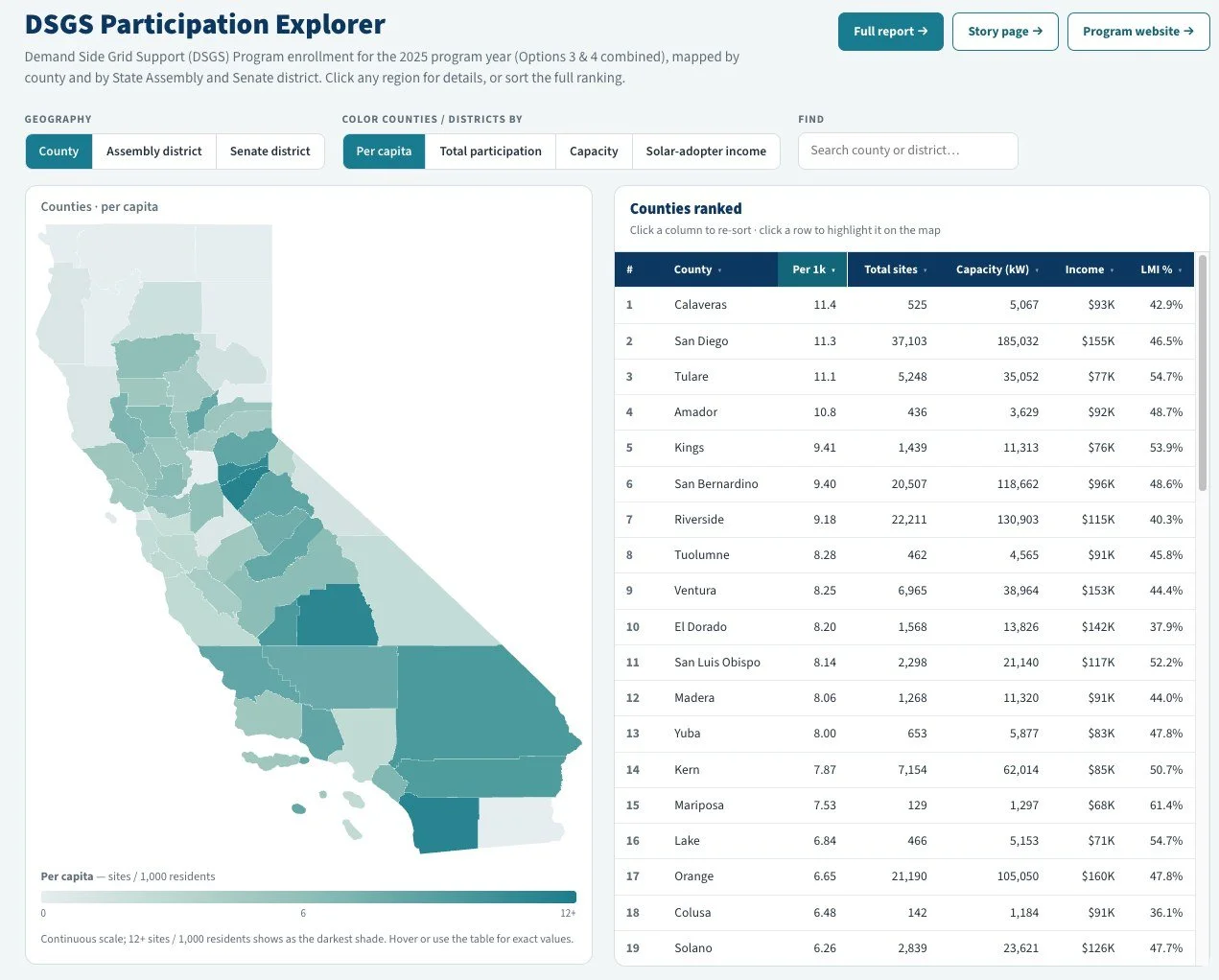 Screenshot to be added
DSGS Participation Explorer
Explore the geographic reach and scale of California's Demand Side Grid Support program across the state.
Open the explorerShaping the climate conversation
We disseminate empirically-grounded research through media channels — speaking regularly with journalists and making frequent appearances on radio, television, and podcasts.























Translating research, training the next generation
Visiting policymakers & events
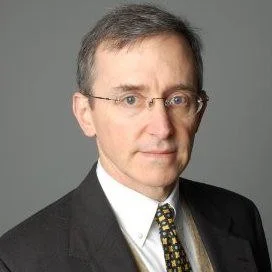
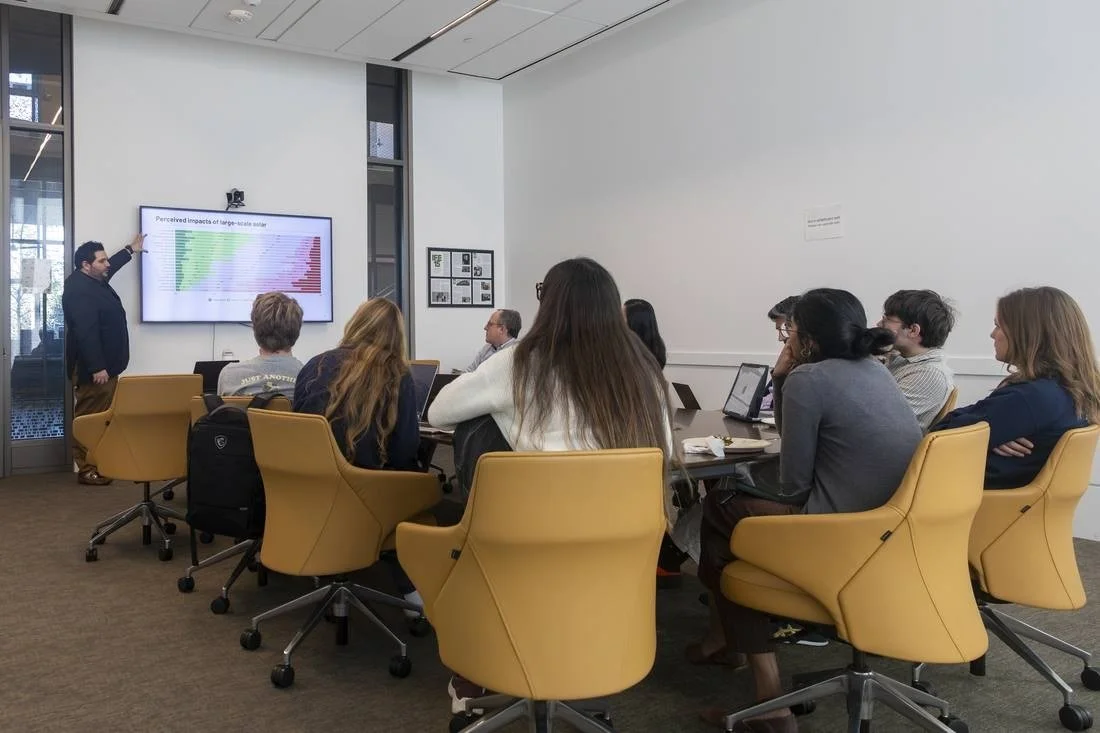
This year, the 2035 Initiative hosted research talks — creating space for our community to dig into ongoing work, interrogate methods, and sharpen findings before they reach a wider audience — and convened climate adaptation workshops that generated concrete opportunities for policy intervention. Hosting practitioners in residence, including Jeremy Martin (Director of Fuels Policy and Senior Scientist, Union of Concerned Scientists), strengthened our ties to the advocacy community and kept our research agenda grounded in real-world policy needs.
Mentorship
Student mentorship
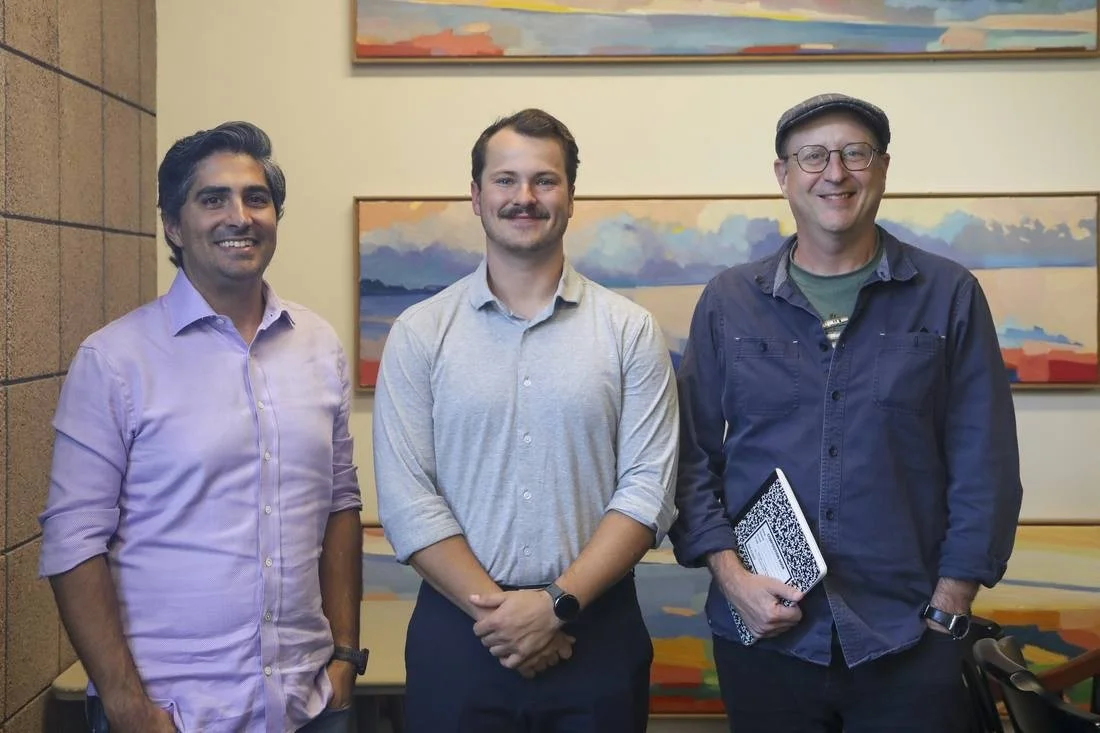
Training the next generation of climate researchers and policy experts is central to our mission. Graduate student researchers work alongside faculty on core projects, while undergraduate and graduate research assistant roles give students earlier in their careers the chance to build skills in data analysis, survey research, and policy communication.
PhD Fellowship
Last year, the Initiative welcomed our first PhD Fellow, Devlin O’Keefe (Psychological & Brain Sciences). With Paasha Mahdavi (Political Science) as advisor, Devlin researched how fossil fuel companies may be using our psychology in greenwashing. This year we will welcome four new PhD Fellows from four different campus departments.
Honors for our researchers

Selected to co-author the seventh IPCC assessment report's chapter on "demands and services" — his second IPCC contribution.

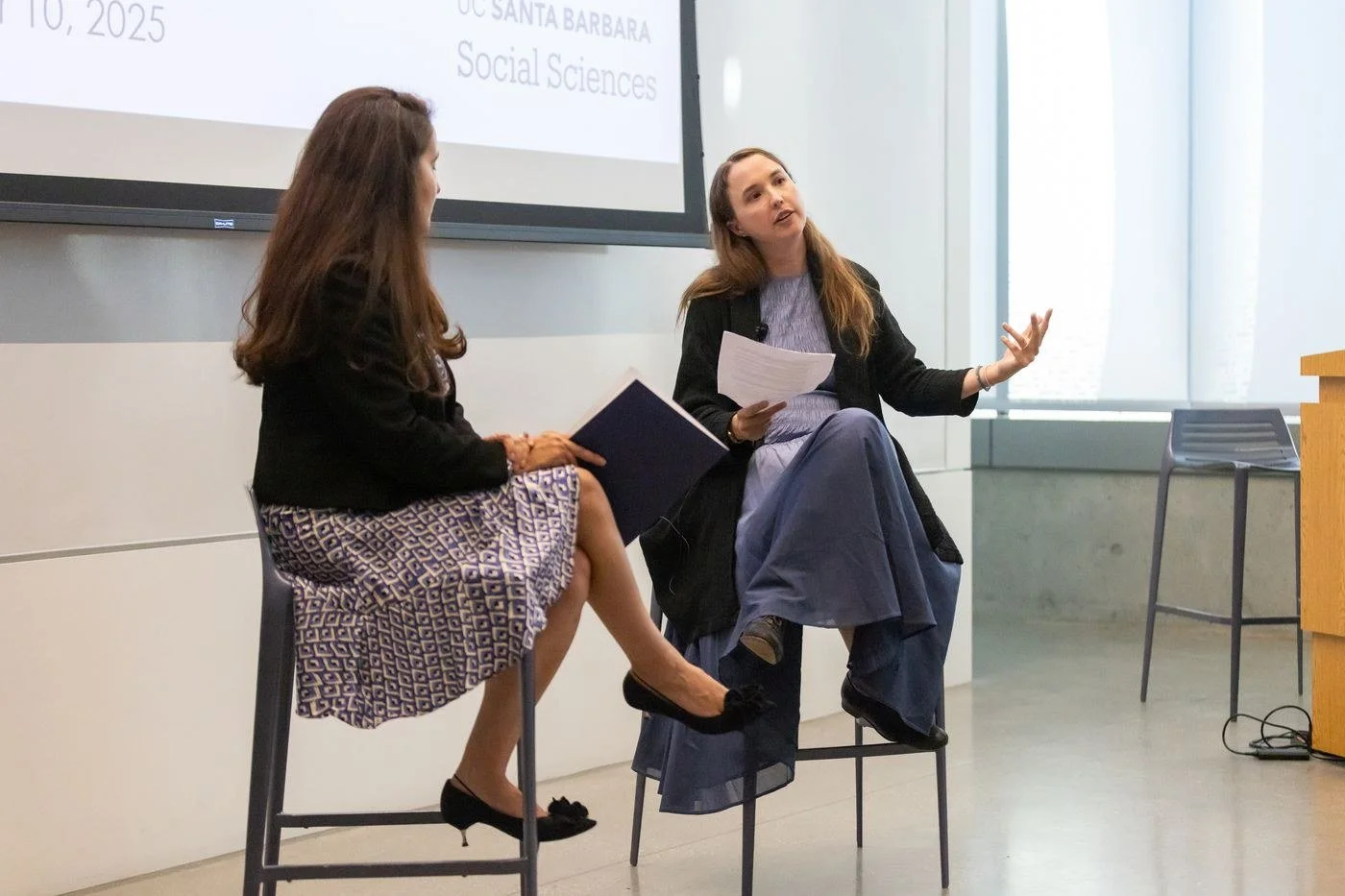
Received the American Energy Society's 2025 Energy Thought Leader: Higher Education award, and formally received the Anton Vonk Chair in Environmental Politics at a ceremony with California State Senator Monique Limón.
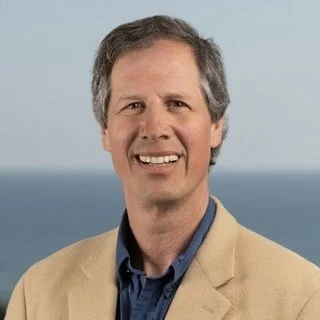
Elected to the American College of Environmental Lawyers for bridging "economics, nature and policy."
Explore the full library
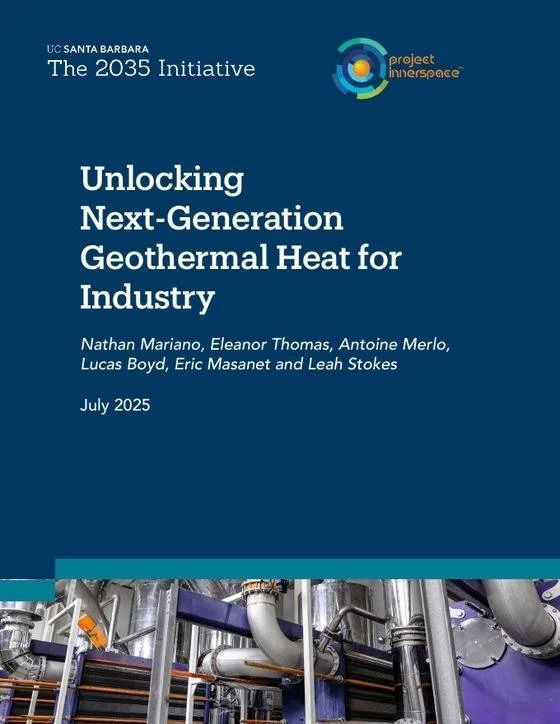
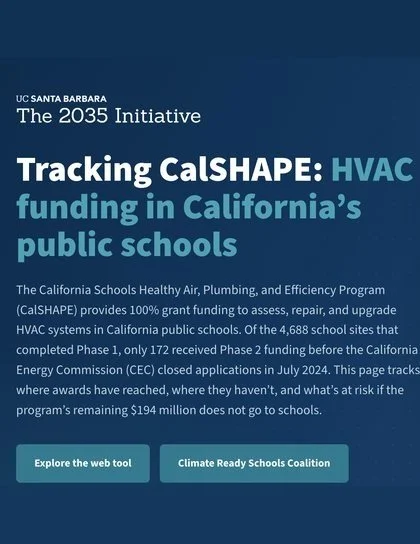
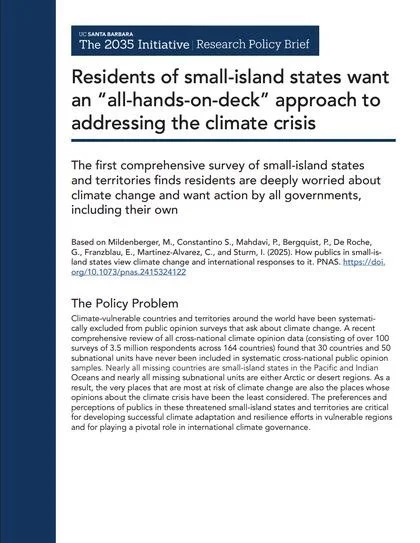
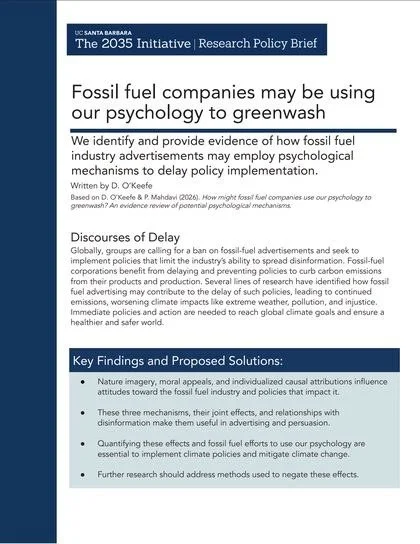
A selection of the reports our team published this year. Click any cover to read the full report.
2035 isn't just a date on the calendar. It's a deadline for real progress.
This is the critical decade for climate action. Our goal is not to endow an academic center that will live on for another century. We are focused on deploying our resources with the urgency the climate crisis demands — arming decision-makers with rigorous, scientific, politically viable solutions. Bold action can bend the curve towards climate stability. But we have to do it right, and we have to do it right now.
Explore more on our website → Stay up to date with our newsletter → Give →
Our Team
Faculty
- Matto Mildenberger — Political Science (Faculty Director)
- Ranjit Deshmukh — Environmental Studies (Vice-Director)
- Leah C. Stokes — Vonk Chair of Environmental Politics, Political Science
- Eric Masanet — Mellichamp Chair in Sustainability Science for Emerging Technologies
- Paasha Mahdavi — Political Science
- Mark Buntaine — Bren School of Environmental Science & Management
- Sarah Anderson — Bren School of Environmental Science & Management
- Cesar B. Martinez-Alvarez — Political Science
- Grace C. Wu — Environmental Studies
- David Sherman — Psychological & Brain Sciences
- Will Nomikos — Political Science
- Eric R.A.N. Smith — Political Science
- James Salzman — Donald Bren Distinguished Professor of Environmental Law
- Simone Pulver — Environmental Studies
- Alexandra Phillips — Bren School of Environmental Science & Management
Staff
- Lucas Boyd — Executive Director
- Carrie Fernandes — Deputy Director
- Christin Palmstrom — Communications & Outreach Coordinator
- Gabriel De Roche — Director of Polling & Survey Research
- Elise Inveen — Lab Manager
- Nathan Mariano — Climate Policy Postdoc
- Olivia Quinn — Climate Policy Postdoc
- Emma Su — Senior Energy Analyst
Advisory Council
- Diane Boss
- Michael Brune
- Jay Cohen
- Romi Kadri
- Camila Thorndike
- Howard Wenger
- Lisa Wenger